Seven Nights, One Headline Fare. Where the Rest of a Cruise Bill Comes From
The advertised per-person cruise fare is a real number that covers a shrinking share of the trip. Here is what gets added, why, and what to ask before you put down a deposit.
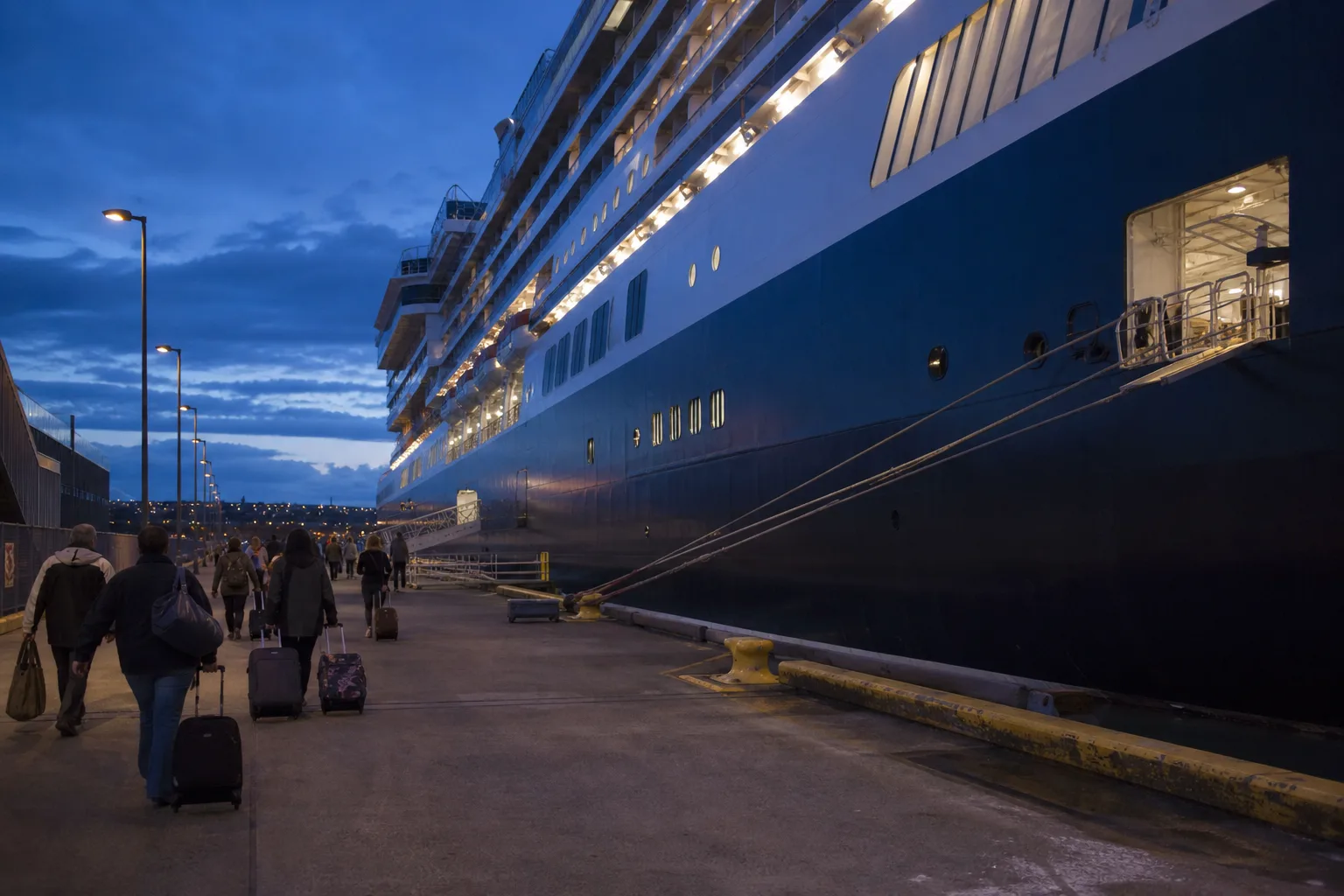
The per-person number in a cruise advertisement is a real price for a real thing, and it is also the smallest of the several numbers that will eventually move through your checking account. It buys a bed, most of the food, and transportation between ports. Almost everything attached to that sentence has been priced separately at some point in the last thirty years, and the separations were deliberate, tested, and kept because they worked. Understanding which additions are fixed, which are genuinely optional, and which are optional in theory only is most of the work of budgeting a sailing accurately.
The fare got thin on purpose, and it happened gradually
Through the 1970s and into the 1980s, a cruise fare was closer to an all-in number because the product was narrower: one dining room, one show lounge, a bar, and a shore program that was frequently arranged on the pier. As ships grew through the 1990s and 2000s, the additions arrived in a recognizable order. Specialty restaurants with a cover charge. Soda cards, then beverage packages. Shore excursions sold as inventory rather than as a courtesy. Internet, once a novelty at a per-minute rate, now a tiered plan. Each unbundling let the advertised fare fall while onboard revenue per passenger rose.
Gratuities followed the same path from informal to systematic. The old arrangement involved envelopes handed out on the last night, with printed guidance on suggested amounts per steward and per waiter, and compliance that varied. Lines moved to an automatic daily charge posted to the shipboard account, generally scaled by cabin category, with suites paying more per person per day than inside cabins. It is not hidden. It is disclosed in the booking confirmation and on the fare page. It is simply not in the number on the billboard, and for a family of four on a week-long sailing it compounds into a figure worth knowing before you commit.
The lines that are not really optional
Taxes, fees, and port expenses appear as a separate line at checkout and cover what the ship pays to be where it says it will be: docking charges, local head taxes, pilotage, and government fees at each call. They vary by itinerary rather than by cabin, so two passengers in very different accommodations pay the same amount, and an itinerary with more port days will carry more. This line is quoted before you pay a deposit. Ask for it in writing at the quoting stage rather than discovering it on the final invoice, because it is the single largest predictable addition on most short sailings.
Then there is getting to the ship. A 7:00 a.m. departure from a port three states away means a flight the day before, a hotel night, parking or a rideshare to the terminal, and a transfer at the other end. Cruise lines sell air and transfers as a package, which buys a form of protection: if the line booked your flight and it goes wrong, the line takes responsibility for getting you to the ship or to the next port. Booking independently is usually cheaper and puts that risk on you. Port parking for a week is its own line, billed daily, and it is worth pricing against an airport hotel that includes a shuttle.
Travel insurance belongs in the fixed column too, for a structural reason rather than a nervous one. Cruise cancellation schedules escalate sharply as the sailing date approaches, moving from a refundable deposit to a partial penalty to no refund at all, often inside the final sixty to ninety days. The Federal Maritime Commission oversees the financial responsibility requirements that apply to passenger vessel operators sailing from US ports, which addresses the line failing to perform. It does not address your own reason for canceling. That gap is what a policy is for, and its price scales with trip cost and traveler age.
The optional spending that was designed to be chosen onboard
Beverage packages, Wi-Fi tiers, specialty dining, spa treatments, and shore excursions are all genuinely elective, and they are also priced and placed so that declining them requires a decision every day rather than once. Beverage packages are typically sold per person per day, must be purchased by every adult in the cabin, and are charged for the full length of the sailing whether or not you drink on any given day. Excursions are the variable with the widest spread, from a bus into town to a full-day private guide. A realistic per-port allowance, decided at home, is the number that keeps this section honest.
One more item catches solo travelers off guard. Cabins are priced on double occupancy, so a passenger sailing alone generally pays a single supplement, frequently a substantial percentage of the second fare, because the line is selling the room rather than the seat. Some ships built after roughly 2010 include dedicated solo cabins sold without the supplement, and they sell out early. If you are traveling alone, that inventory is worth asking about by name at the first conversation, because it changes the arithmetic more than any discount code will.
What to ask, and what a poor answer sounds like
Ask for the all-in total for your specific cabin, your specific party, and your specific sailing date, including taxes and port expenses, daily gratuities for the full voyage, and any fuel or service charge. A good agent produces that figure in a minute because the booking engine already computes it. A poor answer redirects to the per-person fare, or says the extras depend on how you travel, or promises to send it later and does not. Follow with the cancellation schedule by date, not by description, and ask whether the deposit is refundable or nonrefundable, since both are sold and they are not the same product.
Then ask what changes if the itinerary changes. Ports get skipped for weather, mechanical issues, and local conditions, and the answer you want is specific: port fees for a missed call are refunded to the onboard account, excursions booked through the line are refunded automatically, excursions booked independently are your problem. Ask how the onboard account is settled, whether a credit card hold is placed at embarkation and for how much, and when a debit card hold releases. Someone who has worked the product answers all of that without hedging. Someone selling a number will change the subject back to the number.
Write the total down before the deposit goes in: fare, taxes and port expenses, gratuities for every person for every night, flights, a hotel night, parking, insurance, and a per-port excursion allowance. Compare that against a different line's total built the same way. The headline fares may be a hundred dollars apart while the real totals land within a rounding error of each other, and knowing which one you are actually choosing is the whole point of the exercise.